

7 Mistakes That Kill Aquarium Plants (And How to Avoid Them)
Aquarium plants aren’t “hard”… but they are unforgiving when a few key things are off.
Most people don’t fail because they picked the wrong plants.
They fail because of a handful of small mistakes that quietly kill growth over time.
If your plants are melting, turning yellow, or just not growing at all—one of these is likely the reason.
Let’s fix it.

1. Not Planting Properly
This is one of the fastest ways to kill a plant before it even gets started.
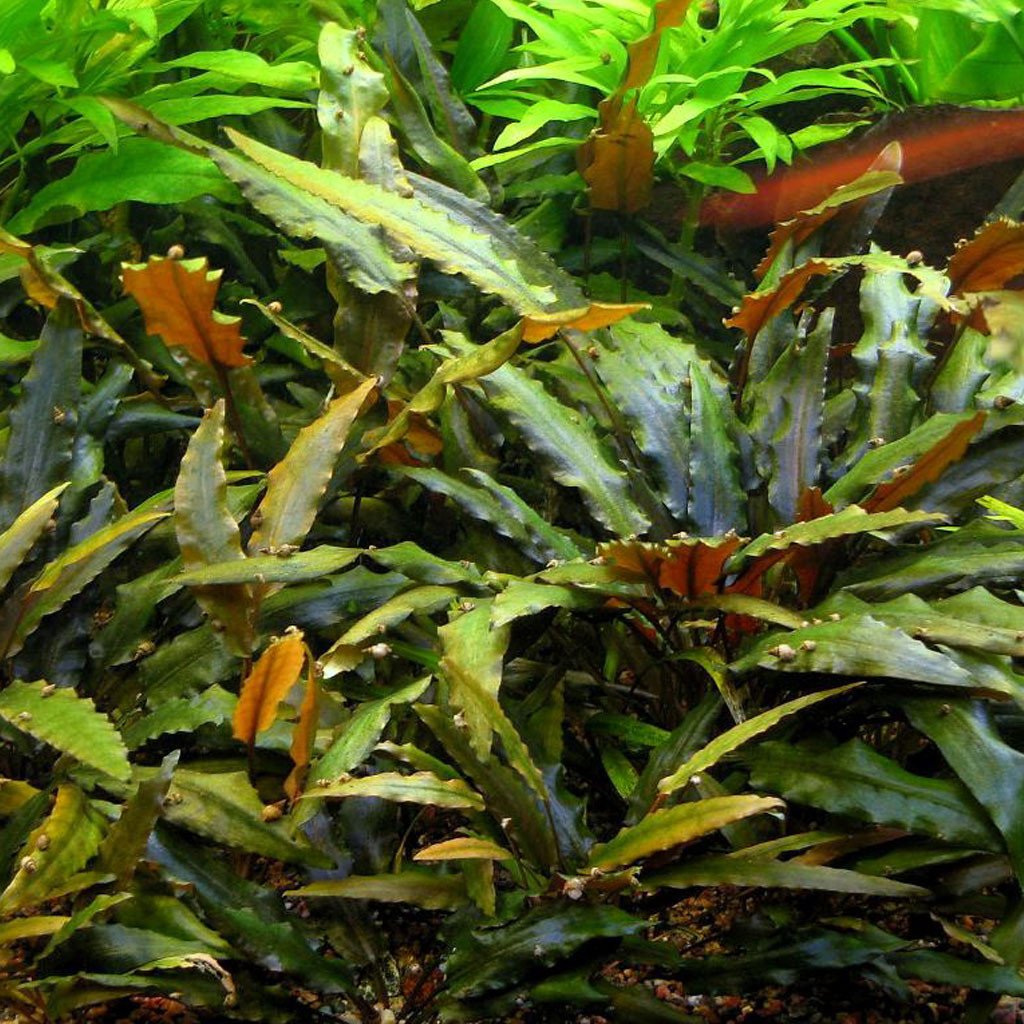
Plants like Amazon Swords and Crypts need their roots buried in the substrate—but not the crown (where the leaves meet the roots). Burying too deep can cause rot, while not planting deep enough can make them float out or fail to root.
How to avoid it:
Plant firmly into your substrate, making sure roots are covered but the crown is exposed. Use plant weights if needed to keep them in place early on.

2. Using the Wrong Substrate (Or None at All)
A lot of beginners use plain gravel and expect plants to thrive on their own.
The reality is: most rooted plants pull nutrients from the substrate. If there’s nothing there… they slowly starve.
How to avoid it:
If you’re using gravel or sand, supplement with root tabs. This gives plants the nutrients they need directly at the roots without needing a full substrate overhaul.

3. Not Providing Enough Light
Plants need light to grow—it’s that simple.
Too little light and your plants will stretch, fade, and eventually die. But more light isn’t always better either (we’ll get to that next).
How to avoid it:
Stick to a consistent lighting schedule (6–8 hours per day). Use a reliable aquarium light that’s actually meant for plant growth, not just viewing.

4. Too Much Light (Causing Algae Takeover)
This is where a lot of people go wrong.
They think: “If some light is good, more must be better.”
What actually happens?
Algae explodes—and starts choking out your plants.
How to avoid it:
Keep your lighting balanced. If you’re seeing algae, reduce lighting time before changing anything else. Plants need stability more than intensity.

5. Skipping Fertilization
Even with good light and substrate, plants still need nutrients in the water column.
Without them, you’ll start seeing:
- Yellowing leaves
- Holes in leaves
- Slow or no growth
How to avoid it:
Use an all-in-one liquid fertilizer to supply essential nutrients regularly. This keeps plants fed and growing consistently.

6. Expecting Instant Results (Plant Melt Panic)
You buy new plants, they look great… then suddenly start melting.
This freaks a lot of people out—but it’s actually normal.
Many aquarium plants are grown emersed (out of water), and when you submerge them, they need time to adapt.
How to avoid it:
Give it time. Trim off dead or melting leaves and let the plant regrow underwater-adapted leaves. Most plants bounce back within a couple of weeks.

7. Ignoring Water Parameters
Plants are more tolerant than fish—but they’re not invincible.
Extremely high pH, poor water quality, or inconsistent conditions can slow growth or kill plants over time.
How to avoid it:
Keep things stable. Regular water changes, decent filtration, and avoiding major swings in parameters go a long way.

Final Thoughts
Healthy aquarium plants don’t come from doing more…
They come from doing the right things consistently.
If you:
- Plant correctly
- Feed your plants (root tabs + fertilizer)
- Keep lighting balanced
- Stay patient
You’ll see the difference fast.
And once your plants take off, your entire tank changes—clearer water, healthier fish, and a setup that actually looks alive.