
Are You Overfeeding Your Aquarium Plants? Signs and Fixes for Fertilizer Burn
Aquarium plants need nutrients to grow, but too much of a good thing can cause real problems. Just like fish can be overfed, plants can also be “overfed” with excess fertilizer—especially liquid plant foods. When nutrients build up faster than plants can absorb them, your tank can experience fertilizer burn, algae outbreaks, and even stressed or melting plants.
Here’s how to spot the warning signs and what to do if you think you’ve been overfeeding your plants.

What Is Fertilizer Burn?
Fertilizer burn happens when aquarium plants are exposed to excess nutrients, usually from dosing too much liquid fertilizer or adding too many root tabs at once. Plants can only absorb nutrients at a certain rate. When levels spike suddenly, their tissues become stressed, damaged, or unable to photosynthesize properly.
It’s more common in:
-
Low-tech tanks without CO₂
-
Tanks with slow-growing plants
-
Tanks with weak lighting (plants can’t “use” the extra nutrients)
-
Small aquariums where nutrients build up fast

Signs You Might Be Overfeeding Your Aquarium Plants
1. Sudden Yellowing or Browning Leaves
If leaves begin turning yellow, translucent, or brown shortly after a heavy dose, it often means the plant’s tissue was shocked by excess nutrients—especially ammonia released by overused root tabs.
2. Wrinkled, Curling, or Distorted Leaves
Leaves that grow in twisted or deformed can be reacting to too high concentrations of micronutrients like iron or copper.
3. Algae Exploding Overnight
Extra fertilizer doesn’t just feed plants—algae eats it too. If you suddenly see:
-
Green dust algae
-
Hair algae
-
Brown diatoms
-
Green water
…it’s often a sign the tank has more nutrients than the plants can handle.
4. Plants Melting or Becoming Mushy
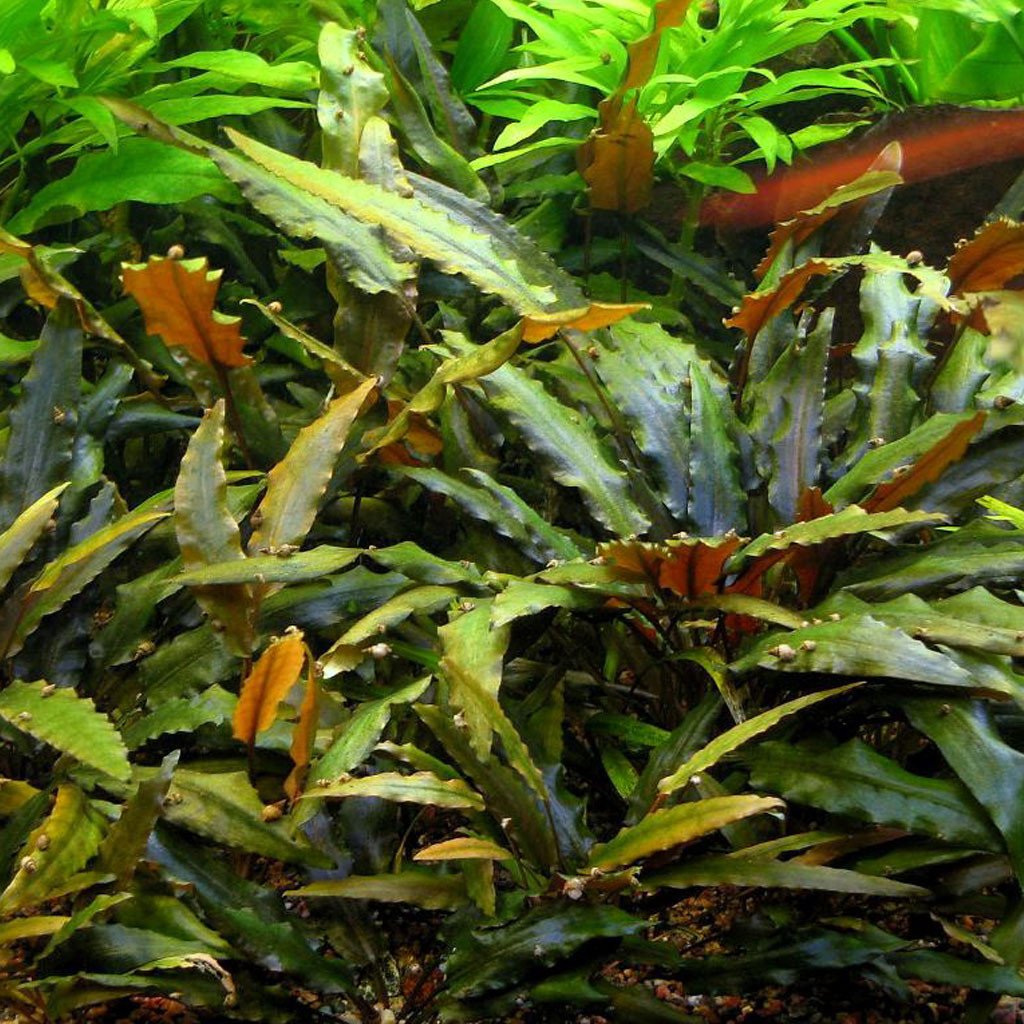
This happens when nutrient spikes disrupt the plant’s ability to regulate water and nutrients internally. Cryptocoryne, swords, mosses, and carpeting plants are especially sensitive.
5. Cloudy or Murky Water
An overdose—especially of liquid fertilizer—can temporarily cloud the water as excess minerals react with your tank’s chemistry.
6. Fish Acting Strange
If plants are stressed, your fish might be too. High nutrient levels can reduce oxygen, irritate gills, or affect water chemistry.

Why Fertilizer Burn Happens
Most of the time, fertilizer burn happens because:
You Dose More Than Your Lighting Supports
Plants can only use nutrients when they’re actively photosynthesizing. If your lights are weak or on for too short a time, fertilizer accumulates.
You Combined Liquid Fertilizer and Root Tabs Too Aggressively
Both are great—but using too much of both at once can overwhelm plants.
Your Tank Is New or Lightly Planted
Few plants = few nutrient consumers.
You Didn’t Adjust the Dose for Your Tank Size
Even a little extra in a small tank can spike nutrient levels.

How to Fix Fertilizer Burn (FAST)
1. Stop Fertilizing for 1–2 Weeks
Let the tank stabilize. Most plants will recover quickly once nutrient levels drop.
2. Perform a 30–50% Water Change
This instantly dilutes any excess nutrients.
3. Remove Damaged Leaves
Trim melted, brown, or shriveled leaves so the plant can focus on new growth.
4. Add Fast-Growing Plants if You Can
Plants like hornwort, water sprite, or floating plants act as “nutrient sponges” and help balance the tank faster.
5. Improve Water Flow
Better circulation helps distribute nutrients evenly and prevents hot spots of excess fertilizer.
6. Check Your Lighting
If your light is too weak:
-
Plants won’t use nutrients
-
Algae WILL
A brighter or slightly longer photoperiod can restore balance.

How to Prevent Overfeeding Your Aquarium Plants in the Future
Start With Half Doses
Especially for new tanks or low-light setups. You can always add more later.
Use Root Tabs Strategically
Place them only under heavy root feeders like swords, crypts, and stem plants—not everywhere.
Dose Based on Plant Mass, Not Bottle Instructions
A tank with 2 plants needs MUCH less fertilizer than a tank with 20.
Watch Your Algae
A small algae increase usually means your plants don’t need more food—they need less.
Consistency > Big Doses
It’s better to dose small amounts weekly than large amounts monthly.

Final Thoughts
Overfeeding aquarium plants is a common mistake, especially for beginners who want fast growth. But your plants don’t need huge amounts of fertilizer—just the right balance. If you learn the signs of excess nutrients early, you can fix the issue quickly and keep your tank thriving.