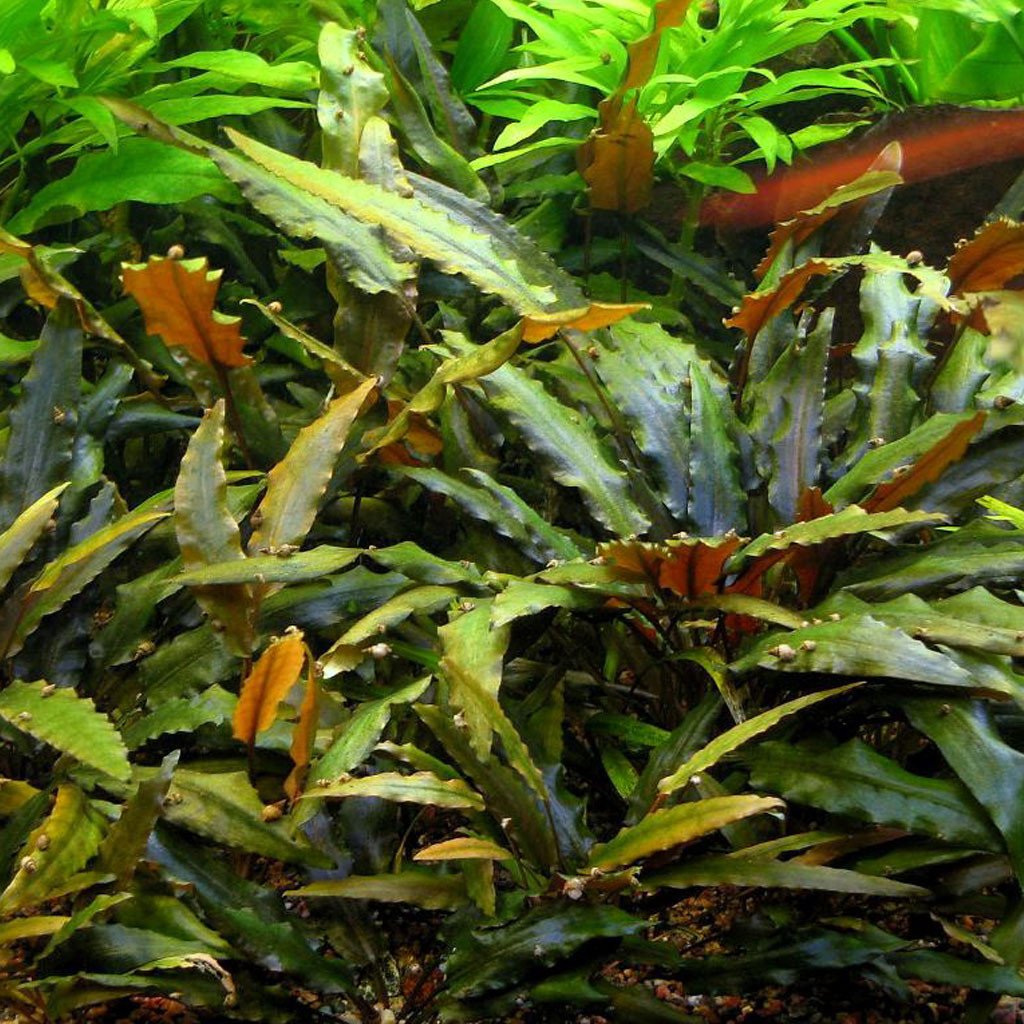


CO₂ vs No CO₂: What Actually Makes a Difference?
If you’ve been in the planted tank hobby for more than five minutes, you’ve probably heard this debate:
“You NEED CO₂.”
“No you don’t.”
“CO₂ changes everything.”
“It’s not worth it.”
So what’s the truth?
Let’s break down what CO₂ actually does, when it matters, and whether you truly need it for your planted tank.

What CO₂ Actually Does in a Planted Tank
CO₂ (carbon dioxide) is one of the three core ingredients plants need to grow:
-
💡 Light
-
🌱 Nutrients (macros + micros)
-
🌬 CO₂
Plants use CO₂ during photosynthesis to convert light into energy and build new tissue. In most aquariums without injection, there’s already some CO₂ present from:
-
Fish respiration
-
Surface gas exchange
-
Organic breakdown
But that natural level is relatively low and unstable compared to injected CO₂ systems.

What Changes When You Add CO₂?
When you inject CO₂ into a tank, several things happen:
1. Faster Growth
Plants grow significantly faster. Carpeting plants spread quicker. Stem plants grow thicker and bushier.
2. Denser, More Compact Growth
CO₂ often results in:
-
Tighter leaf spacing
-
Deeper coloration
-
Thicker stems
-
Better carpeting behavior (especially with Monte Carlo or Hairgrass)
3. Higher Demands
This is where most beginners get surprised.
Adding CO₂ doesn’t just increase growth — it increases demand for:
-
More nutrients
-
More consistent fertilization
-
Stronger lighting
-
Better maintenance
CO₂ accelerates everything, including mistakes.

What Happens in a No-CO₂ (Low-Tech) Tank?
Low-tech tanks rely on natural CO₂ levels and balance.
That means:
-
Slower growth
-
Lower maintenance
-
More stability
-
Fewer dramatic swings
Plants grow, just not explosively.
Many species thrive without injected CO₂, including:
-
Java Fern
-
Anubias
-
Cryptocoryne
-
Jungle Val
-
Amazon Sword
-
Hornwort
You absolutely can build a lush, beautiful tank without CO₂ — it just requires patience and smart plant selection.

The Biggest Myth: “CO₂ Prevents Algae”
CO₂ doesn’t magically stop algae.
What actually prevents algae is balance.
When you inject CO₂ but don’t increase nutrients to match, algae appears.
When lighting is too strong for the available CO₂, algae appears.
CO₂ improves plant growth — but only if everything else is in balance.

When CO₂ Actually Makes a Big Difference
CO₂ truly shines when:
-
You want a dense foreground carpet (Monte Carlo, Dwarf Hairgrass Mini)
-
You’re running high lighting
-
You want faster trimming cycles
-
You’re creating a high-end aquascape
-
You enjoy tuning and optimizing your tank
If you’re aiming for a competition-style aquascape, CO₂ is almost essential.

When You Probably Don’t Need CO₂
You likely don’t need CO₂ if:
-
You’re a beginner
-
You want low maintenance
-
You’re growing hardy plants
-
You’re using moderate lighting
-
You prefer stability over speed
For many hobbyists, low-tech is more enjoyable long-term.

The Real Difference: Speed vs Stability
Here’s the simplest way to think about it:
CO₂ = Speed
No CO₂ = Stability
CO₂ doesn’t make plants “possible.”
It makes them grow faster and denser.
A balanced low-tech tank can look incredible — it just takes longer.

What Actually Matters More Than CO₂
Before worrying about injection systems, focus on:
-
Consistent lighting (not excessive lighting)
-
Proper fertilization (root tabs + liquid fertilizer as needed)
-
Stable parameters
-
Good plant selection
Many struggling tanks don’t have a CO₂ problem — they have a balance problem.

Final Thoughts
CO₂ is a powerful tool, not a requirement.
If you love dialing things in and want explosive growth and carpets, it’s worth it.
If you prefer a steady, natural ecosystem that’s easier to manage, low-tech will absolutely work — and often with fewer headaches.
At the end of the day, the best setup is the one you’ll enjoy maintaining.