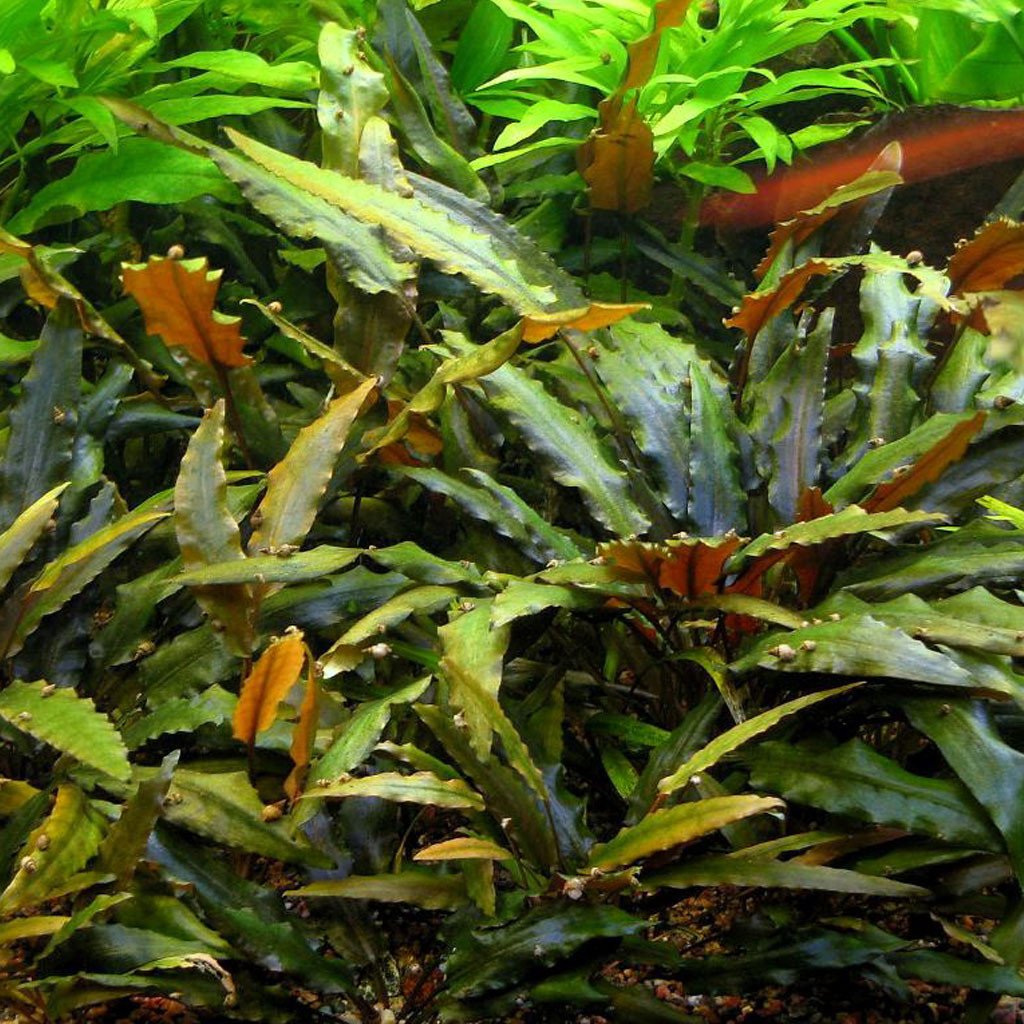


How Long Do Aquarium Plants Take to Grow?
What to Expect From Week 1 to Week 12
One of the most common questions new planted-tank owners ask is:
“How long will it take before my aquarium plants actually grow?”
The short answer?
You’ll see changes fast—but meaningful growth takes time.
Aquarium plants don’t behave like houseplants. They go through an adjustment phase, especially after shipping, planting, or being introduced to a new tank. Below is a realistic, week-by-week breakdown of what most aquarists can expect during the first 12 weeks.

Week 1–2: The Adjustment Phase (Totally Normal)
This is when most people panic—but don’t.
What you’ll see:
-
Little to no visible growth
-
Some leaves turning yellow, translucent, or melting
-
Plants focusing on root development, not leaves
This is called plant melt, and it’s completely normal. Many aquarium plants are grown emersed (above water). When submerged, they shed old leaves and regrow ones adapted for underwater life.
What to do:
-
Don’t move or replant them
-
Remove decaying leaves gently
-
Begin light fertilization if appropriate
Key takeaway: No growth doesn’t mean failure. Your plants are settling in.

Week 3–4: First Signs of Life
This is when patience starts paying off.
What you’ll see:
-
New shoots or small leaves forming
-
Roots anchoring into the substrate
-
Floating plants beginning to multiply
-
Moss starting to grip onto surfaces
Growth is still slow, but it’s real growth, not melt.
What to do:
-
Maintain consistent lighting (6–8 hours)
-
Continue fertilizing lightly
-
Avoid over-cleaning the tank
Key takeaway: If you see new leaves, your tank is working.

Week 5–6: Noticeable Growth Begins
Now things start to look different.
What you’ll see:
-
Stem plants growing taller
-
Foreground plants spreading outward
-
Moss thickening instead of just surviving
-
Root systems becoming stronger
This is when tanks begin transitioning from “new” to “established.”
What to do:
-
Increase fertilizer slightly if plants look pale
-
Trim fast growers lightly to encourage bushier growth
-
Watch for algae (a sign of imbalance, not failure)
Key takeaway: Growth becomes visible week to week instead of day to day.

Week 7–8: The Tank Finds Its Rhythm
Your plants now understand the environment.
What you’ll see:
-
Faster, more consistent growth
-
Fewer melting leaves
-
Plants holding color better
-
Carpet plants slowly filling in gaps
This is when aquascapes start looking intentional instead of sparse.
What to do:
-
Begin regular trimming schedules
-
Replant cuttings if applicable
-
Fine-tune lighting and fertilization
Key takeaway: Consistency matters more than constant adjustments.

Week 9–10: Full Growth Mode
At this stage, most healthy tanks are thriving.
What you’ll see:
-
Weekly visible growth
-
Stem plants reaching the surface
-
Carpeting plants spreading horizontally
-
Moss becoming dense and textured
If your plants made it this far, they’re established.
What to do:
-
Trim more confidently
-
Remove excess growth blocking light
-
Keep nutrients balanced
Key takeaway: Growth speed now depends on plant type and tank setup.

Week 11–12: Mature, Established Plants
This is what most aquarists are aiming for.
What you’ll see:
-
Predictable growth patterns
-
Healthier leaves and deeper coloration
-
Easier maintenance
-
A more stable ecosystem overall
Your tank is no longer “new.” It’s alive and functioning.
What to do:
-
Maintain routines instead of experimenting
-
Trim for shape, not survival
-
Enjoy the results
Key takeaway: This is the payoff period.

Growth Speed Depends on the Plant
Not all plants grow at the same rate:
Fast growers:
-
Hornwort
-
Floating plants
-
Some stem plants
Moderate growers:
-
Java moss
-
Cryptocorynes
-
Anubias
Slow growers:
-
Carpeting plants
-
Rhizome plants
-
Moss walls
Slow growth doesn’t mean unhealthy—it often means low maintenance.

Final Thoughts
Aquarium plants don’t explode with growth overnight—but they do reward patience.
If your tank looks “boring” at week two, you’re right on track.
If it looks amazing at week ten, it didn’t happen by accident.
Stick with it. Stay consistent. Let the plants do their thing.
That’s how planted tanks succeed 🌱