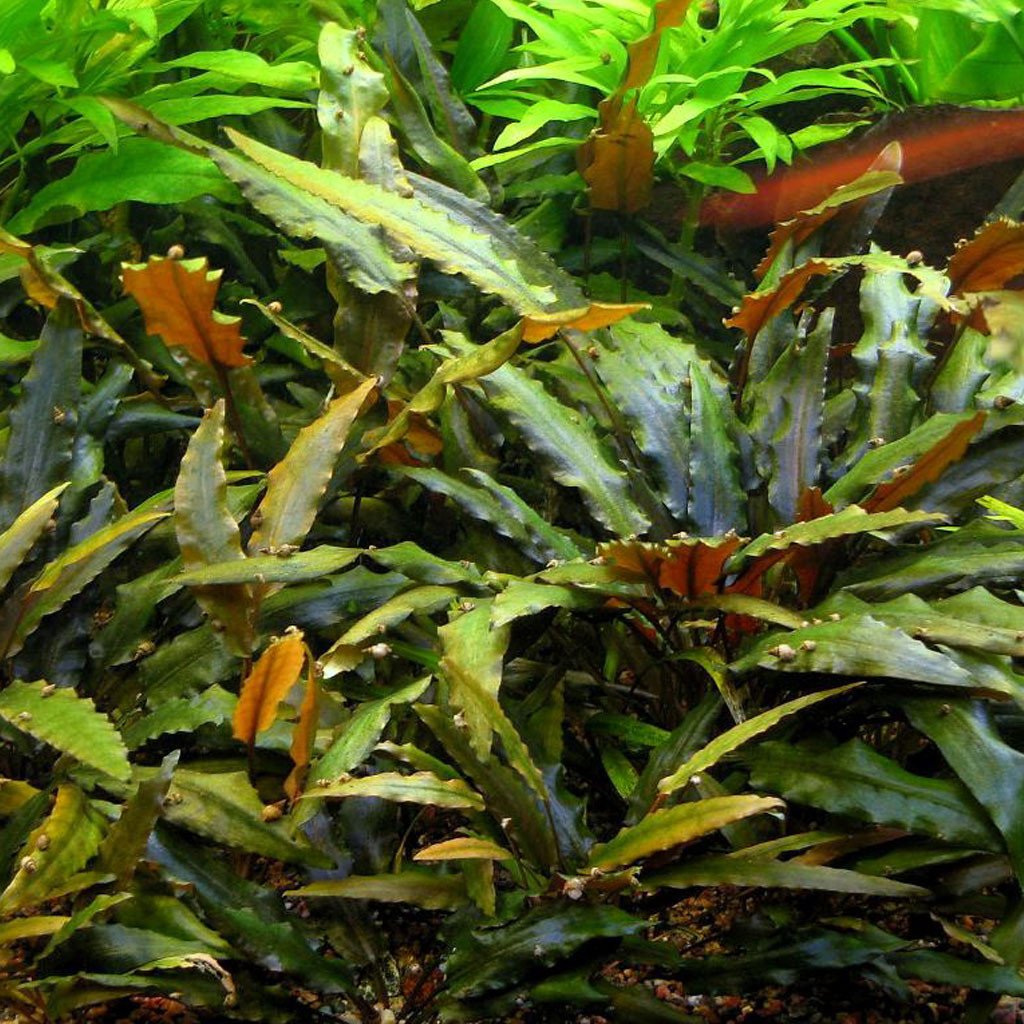


How to Quarantine Aquarium Plants the Easy Way
Adding new plants to your aquarium is exciting — fresh color, new growth, and a healthier environment for your fish. But before you drop them straight into your display tank, there’s one step every aquarist should take (and most skip): quarantining your plants.
It sounds complicated, but it’s actually very simple — and it protects your tank from algae, snails, pests, and diseases that may hitchhike on even the healthiest-looking plants.
Here’s the easiest way to do it.

Why Quarantine Plants at All?
Even when plants come from high-quality farms (like ours), they may carry tiny travelers such as:
-
Snail eggs
-
Algae spores
-
Microorganisms
-
Detritus
-
Microscopic pests
None of these are dangerous if caught early — but once they get established in a display tank, they become frustrating to remove.
A simple 1–2 week quarantine prevents all of that.

What You Need
You don’t need a separate aquarium. You can use:
-
A small bucket, tub, or spare container
-
Dechlorinated water
-
A small LED light (optional but helpful)
-
Optional: alum, potassium permanganate, or a gentle plant-safe treatment
This process works for ALL live plants: rooted, stem plants, floating plants, moss, swords, crypts, and more.

Step 1: Rinse the Plants Thoroughly
Take each plant and gently rinse it under room-temperature tap water.
This removes:
-
Loose debris
-
Any gel/rockwool from the roots
-
Small snails or unwanted hitchhikers
Be gentle — especially around tender roots.

Step 2: Remove Rockwool and Damaged Leaves
Rockwool traps unwanted material, so you want it gone.
-
Gently peel back the sides with your fingers or tweezers
-
Trim away any melting or damaged leaves
-
Leave strong, healthy roots intact
Removing dead parts prevents decay in the quarantine bowl.

Step 3: Choose Your Quarantine Method
Option A: Simple Soaking (Easiest)
Place the plants in dechlorinated water for 7–14 days.
Benefits:
-
Removes tiny pests
-
Lets the plant adjust to tank conditions
-
Low effort and 100% safe
Change the water every 2–3 days.
Option B: Alum Bath (Most Popular)
Alum is gentle and plant-safe. It helps eliminate hitchhikers.
Use:
-
1 tablespoon of alum per gallon of water
-
Soak plants for 12–24 hours
-
Rinse thoroughly afterward
This is safe for nearly all aquarium plants.
Option C: Potassium Permanganate Dip (Advanced)
Strong but effective against pests and algae.
Use:
-
Light pink solution
-
Soak for 15–20 minutes
-
Rinse well
Avoid on very delicate mosses.

Step 4: Observe the Plants
During quarantine, watch for:
-
Snails or eggs
-
Algae growth
-
Mold or fungus
-
Leaves melting or regrowing
This is the “safe zone” where plants adjust before entering your display tank.
If they melt a bit in quarantine — that’s normal. Many plants (especially Crypts and Swords) do this when switching environments.

Step 5: Add Plants to Your Aquarium
After 7–14 days, your plants are safe to use.
You’ll notice:
-
Cleaner leaves
-
No hitchhikers
-
Stronger root development
-
Less melt in the main tank
Just plant them gently and give them a week or two to settle in.

Bonus Tip: Float New Plants for 1–2 Days Before Planting
Floating plants near the surface gives them:
-
More oxygen
-
More light
-
A stress-free adjustment period
This boosts growth and reduces melt.

Final Thoughts
Quarantining aquarium plants doesn’t need to be complicated. A simple soak, a clean container, and a little patience protect your tank from headaches down the road.
If you want a shortcut, Marcus Fish Tanks offers plants that are:
-
Carefully inspected
-
Pest-free
-
Shipped fresh
-
Grown in clean systems
But even then — a quick quarantine is never a bad idea.

Want a Hardy Plant That’s Perfect for Beginners?
If you're looking for a plant that can handle almost anything — from new setups to hard water — Amazon Swords are one of the strongest, most forgiving options you can add to your tank.