

How to Set Up Your First Planted Tank: A Simple Guide for Total Beginners
Starting your first planted aquarium can feel overwhelming—but it doesn’t have to be. With the right setup, aquarium plants are surprisingly easy to grow, and they make your tank healthier, clearer, and more beautiful.
This guide walks you through everything you need to start a thriving planted tank, step by step.

1. Pick the Right Tank Size
For beginners, 10–20 gallons is the sweet spot.
Smaller tanks change water parameters too quickly, and larger tanks can feel intimidating.
Recommended sizes:
-
10-gallon for simple beginner setups
-
20-gallon for more plants, driftwood, and fish variety
If you're starting small, just remember—consistency is more important than size.

2. Choose a Good Substrate
Plants grow best in a nutrient-rich base. You have two options:
Option A: Plant Substrate (Beginner-Friendly)
Brands like Fluval Stratum make it easy for roots to develop.
Option B: Sand/Gravel + Root Tabs (Budget-Friendly)
If you prefer sand or gravel, just add Marcus Fish Tanks Root Tabs under each plant.
They feed heavy root feeders like Amazon Swords, Crypts, and Jungle Val for weeks at a time.

3. Pick Beginner-Friendly Plants
Start with hardy species that don’t need CO₂. These plants thrive in beginner tanks:
-
Java Fern (attaches to driftwood/rocks)
-
Anubias (super low maintenance)
-
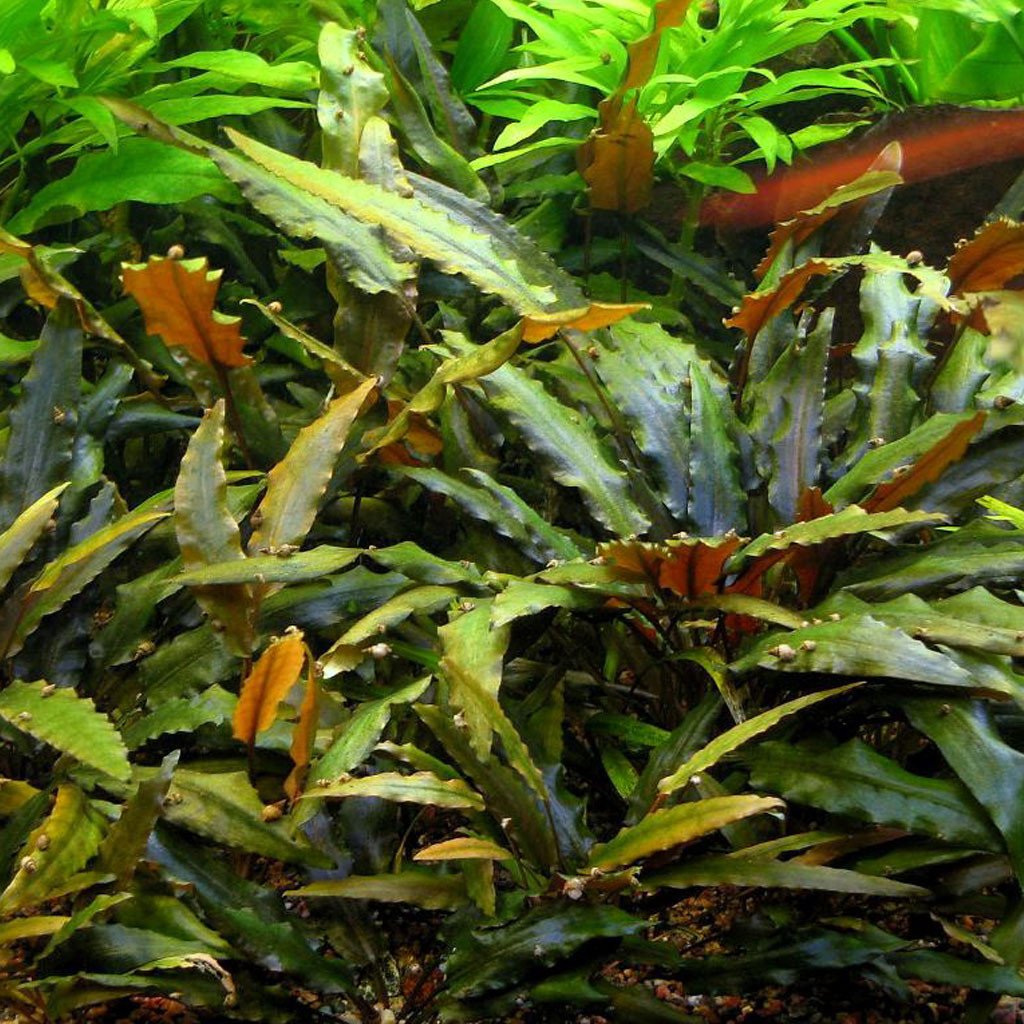
Cryptocoryne Wendtii (great midground plant)
-
Amazon Sword (fast-growing background plant)
-
Monte Carlo (easy carpet with medium light)
-
Java Moss or Christmas Moss (perfect for driftwood)
These plants handle common beginner mistakes and grow in a wide range of conditions.

4. Add Driftwood or Rocks for Structure
Hardscape gives your aquascape depth and creates natural spaces for fish to explore.
Great beginner choices:
-
Malaysian Driftwood (sinks easily, dark and natural)
-
Spider Wood Driftwood (branchy aesthetic)
-
Cholla Wood Driftwood Sticks (amazing for shrimp and moss)
-
Driftwood Stump (bold centerpiece)
Plants like Anubias, Java Fern, and moss look incredible attached to driftwood using gel super glue or a small rubber band.

5. Set the Lighting (6–8 Hours Per Day)
Most beginner plants thrive with simple LED lights.
Basic rule:
➡️ 6–8 hours of light per day to avoid algae.
You don’t need fancy CO₂ systems when your lighting is balanced. Keeping your schedule consistent is far more important.

6. Add Fertilizers the Easy Way
Plants need nutrients just like fish need food. The two most important tools:
✔️ MFT Root Tabs
Feed heavy root plants for 2–3 months.
✔️ MFT All-in-One Liquid Fertilizer
Keeps stem plants and mosses growing strong.
Using both creates a balanced, low-maintenance nutrient system for beginners.

7. Fill the Tank & Let It Settle
Once everything is placed:
-
Add water slowly so you don’t disturb your substrate.
-
Turn on your filter and heater.
-
Let the tank run for a few days to clear up.
-
Plant roots will begin settling during this time.
Your water may look cloudy at first—this is normal and clears with time.

8. Add Fish Last (Give It 1–2 Weeks)
Let the plants settle and the filter begin cycling before adding fish.
Good beginners species include:
-
Guppies
-
Corydoras
-
Tetras
-
Bettas (in tanks 5 gallons or larger)
Avoid goldfish and cichlids for your first planted tank—they can be rough on plants.

Simple Beginner Setup Checklist
-
10–20 gallon tank
-
LED light (6–8 hours/day)
-
Substrate + root tabs
-
Driftwood or rocks
-
5–8 beginner plants
-
Liquid fertilizer
-
Filter + heater
-
Add fish after 1–2 weeks
Follow these steps and your first planted tank will grow beautifully with very little effort.