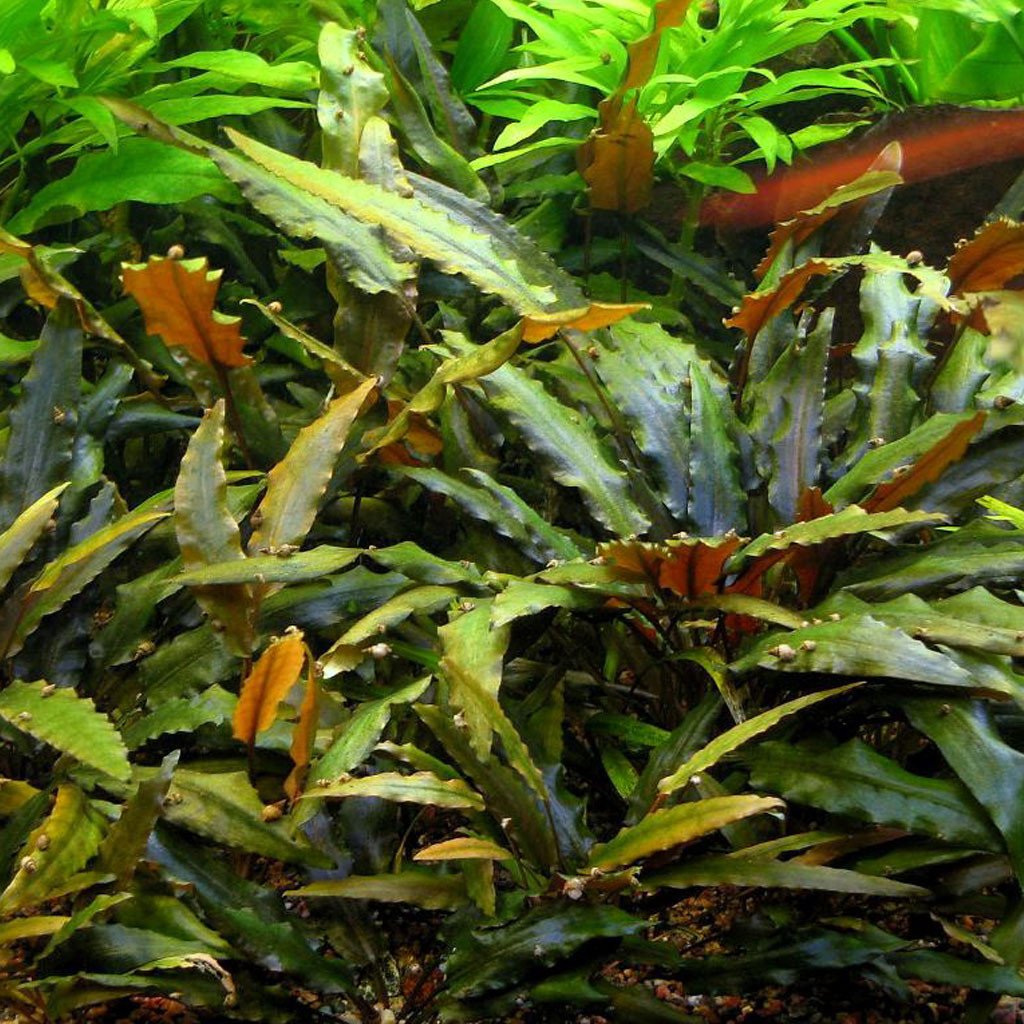


How to Tell if Your Aquarium Plants Are Healthy
Healthy aquarium plants do more than make your tank look beautiful—they help stabilize water quality, reduce algae, and create a healthier environment for your fish and shrimp. But if you're new to planted aquariums, it isn't always obvious whether your plants are thriving or struggling.
The good news is that healthy plants leave plenty of clues. By learning what to look for, you can catch problems early and keep your aquarium looking its best.

Signs of Healthy Aquarium Plants
1. Vibrant, Natural Color
One of the easiest ways to judge plant health is by color.
Healthy aquarium plants should display rich, vibrant colors appropriate for their species. Green plants should appear deep green rather than pale or yellow. Red varieties should maintain their natural red or bronze coloration under proper lighting.
While some older leaves naturally fade over time, widespread discoloration is often a sign that something needs attention.
2. New Growth Appears Regularly
Healthy plants don't just survive—they grow.
Look for:
- Fresh leaves emerging from the center
- New shoots forming near the base
- Healthy runners spreading across the substrate
- New roots developing
Even slow-growing species like Anubias and Bucephalandra should produce new leaves over time.
3. Strong Root Systems
Healthy roots are usually white, cream-colored, or light tan.
Plants with healthy roots are firmly anchored and absorb nutrients efficiently. If a plant easily pulls out of the substrate or has black, mushy roots, it may be struggling.
Floating plants are a little different—their long hanging roots should be plentiful and healthy-looking rather than short or deteriorating.
4. Leaves Stay Firm
Healthy leaves feel sturdy and hold their shape underwater.
Watch for leaves that become:
- Transparent
- Soft or mushy
- Torn without obvious physical damage
- Full of holes
These symptoms can indicate nutrient deficiencies, poor water conditions, or natural aging.
5. Little to No Algae on Leaves
A small amount of algae is completely normal in planted aquariums.
However, healthy, fast-growing plants are generally able to outcompete algae for nutrients.
If your leaves become completely covered in algae, it often signals an imbalance in lighting, nutrients, or CO₂—not necessarily unhealthy plants, but something worth correcting.

Common Warning Signs Your Plants Need Help
Keep an eye out for these common symptoms.
Yellow Leaves
Usually caused by:
- Nitrogen deficiency
- Iron deficiency
- Aging leaves
- Poor lighting
Brown or Transparent Leaves
Often caused by:
- Plant melt after introduction
- Lack of nutrients
- Insufficient light
Many aquarium plants experience some melting after being added to a new tank, especially if they were grown above water before being submerged. New underwater leaves usually replace the old ones.
Holes in Leaves
Small holes often point toward potassium deficiency, especially if they appear in older leaves first.
Stunted Growth
If your plants haven't grown in weeks, consider checking:
- Light intensity
- Fertilizer schedule
- Root nutrition
- Water parameters
Healthy plants should continue producing new growth even if they grow slowly.
Black or Rotting Leaves
Leaves turning black or soft usually indicate dying tissue.
Trim these leaves away so the plant can focus its energy on producing healthy new growth.

Healthy Plants Improve Your Entire Aquarium
Healthy aquarium plants provide much more than decoration.
They help:
- Absorb excess nutrients
- Reduce nitrate buildup
- Improve oxygen levels
- Give fish and shrimp natural cover
- Help limit algae growth
- Create a more natural ecosystem
The healthier your plants become, the easier your aquarium often becomes to maintain.

Tips for Keeping Aquarium Plants Healthy
Healthy plants don't require perfection—just consistency.
Some simple habits include:
- Provide the appropriate lighting for your plant species.
- Use a quality fertilizer for water-column feeders.
- Add root tabs for heavy root feeders like Amazon Swords and Cryptocorynes.
- Perform regular water changes.
- Remove dead or damaged leaves.
- Avoid sudden changes in water parameters.
- Give new plants time to adapt after planting.
Small improvements over time usually produce the best long-term results.

Final Thoughts
Learning to recognize healthy aquarium plants becomes easier with experience.
Look for vibrant colors, steady new growth, strong roots, and firm leaves. If you notice yellowing, melting, holes, or stunted growth, don't panic—most plant issues are easy to correct once you identify the cause.
With the right care, your aquarium plants will reward you with healthier fish, cleaner water, and a thriving underwater landscape for years to come.
Looking to expand your planted aquarium? Browse our selection of healthy, farm-fresh aquarium plants and give your tank everything it needs to flourish.