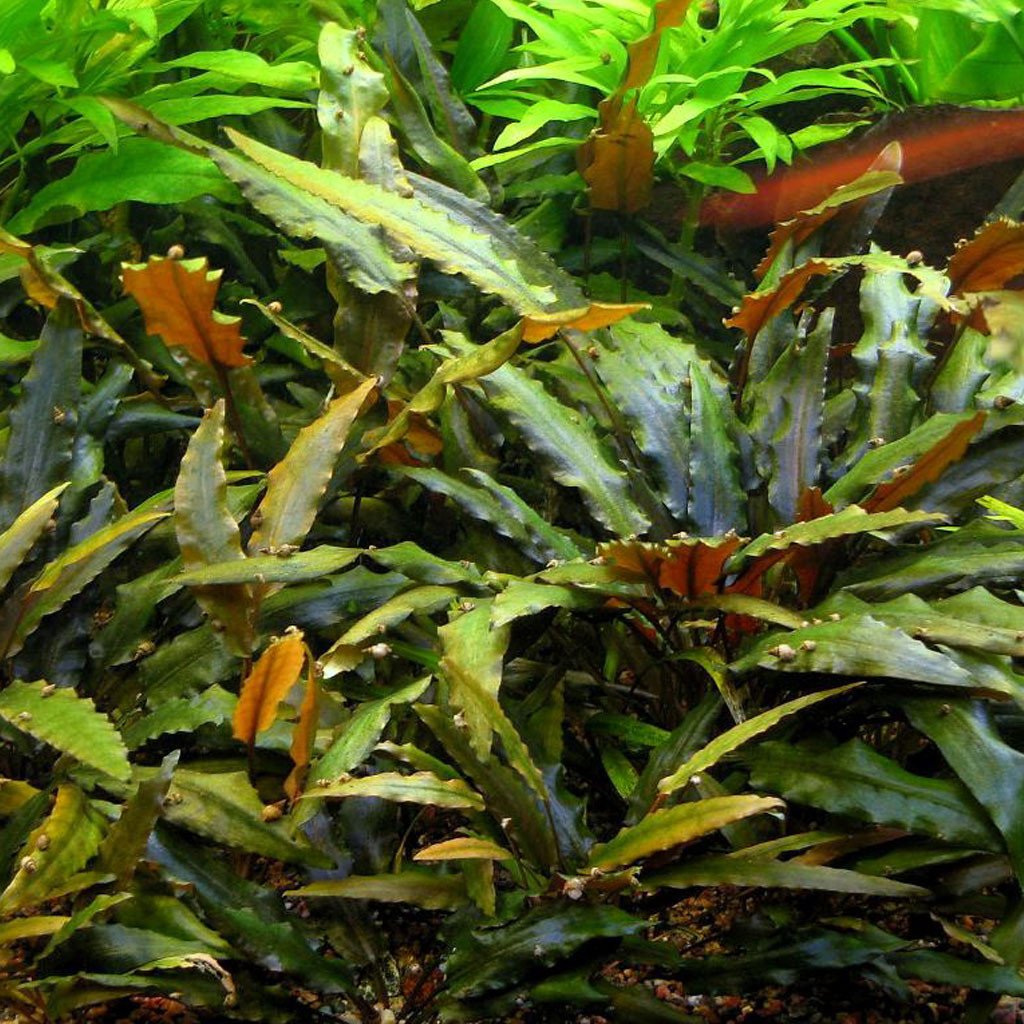


Java Fern Care Guide: Everything Beginners Need to Know
Java Fern is one of the easiest and most popular aquarium plants for beginners. With its beautiful green leaves, low-maintenance care requirements, and ability to grow without being planted in substrate, it's a fantastic addition to almost any freshwater aquarium.
Whether you're setting up your first planted tank or looking to add more greenery to an established aquarium, Java Fern is a plant you can enjoy without needing expensive equipment or complicated care routines.
In this guide, we'll cover everything you need to know about growing healthy Java Fern, including lighting, water conditions, propagation, and common problems.
What Is Java Fern?

Java Fern (Microsorum pteropus) is a freshwater aquarium plant native to Southeast Asia. It's known for its long, green leaves and its ability to grow attached to rocks, driftwood, and other aquarium decorations.
Unlike many aquarium plants, Java Fern doesn't need to be planted in gravel or soil. Instead, it grows from a thick horizontal stem called a rhizome, which produces both leaves and roots.
This makes it especially useful for aquascaping, since you can attach it to decorations rather than worrying about keeping it planted in the substrate.
Java Fern is also a slow-growing plant, meaning you won't have to constantly trim it to keep your aquarium looking neat.
Java Fern Care Requirements
One of the biggest reasons Java Fern is so popular is that it can thrive in a wide range of aquarium conditions.
Here's a quick overview of its care requirements:
|
Care Requirement |
Recommendation |
|---|---|
|
Difficulty |
Easy |
|
Lighting |
Low to moderate |
|
Temperature |
68–82°F |
|
pH |
6.0–7.5 preferred |
|
Growth Rate |
Slow |
|
CO2 Required |
No |
|
Substrate Required |
No |
|
Placement |
Midground or background |
|
Propagation |
Rhizome division or plantlets |
Java Fern is forgiving of minor changes in water conditions, making it an excellent choice for fishkeepers who are still learning how to maintain a planted aquarium.
How to Plant Java Fern Correctly

One of the most important things to understand about Java Fern is that you should never bury its rhizome in the substrate.
The rhizome is the thick, horizontal green stem from which the leaves and roots grow. Burying it in gravel or sand can cause it to rot, eventually killing the plant.
Instead, Java Fern should be attached to a hard surface.
Best Ways to Attach Java Fern
There are several easy ways to secure Java Fern inside your aquarium.
1. Attach it to driftwood
Driftwood is one of the most popular choices for Java Fern. Simply position the plant against the wood and secure it with fishing line, cotton thread, or a small amount of aquarium-safe super glue gel.
Over time, the roots will attach themselves to the wood.
2. Attach it to rocks
Java Fern also looks great growing on aquarium rocks. This is an easy way to create a natural-looking aquascape without needing substrate.
3. Place it between decorations
You can gently wedge the plant between rocks or pieces of driftwood, provided the rhizome remains exposed and isn't crushed.
Once established, Java Fern can stay securely attached without additional support.
How Much Light Does Java Fern Need?
Java Fern is a low-light aquarium plant, which means it doesn't require powerful aquarium lighting to grow.
In fact, too much light can sometimes cause problems, especially when nutrients and other tank conditions aren't balanced.
For most aquariums, a moderate lighting schedule of around 6–8 hours per day is a good starting point.
If you're noticing excessive algae growing on the leaves, consider reducing your lighting duration or intensity.
Because Java Fern grows slowly, algae can accumulate on its older leaves more easily than on faster-growing plants.
You also don't need an expensive lighting system. Many standard aquarium LED lights provide enough illumination for healthy Java Fern growth.
Does Java Fern Need Fertilizer?
Although Java Fern is relatively low maintenance, it still needs nutrients to grow.
Unlike heavy root-feeding plants such as Amazon Swords, Java Fern can absorb nutrients directly from the water through its leaves and rhizome.
This means liquid aquarium fertilizers are generally more useful for Java Fern than root tabs.
A quality liquid fertilizer can help provide essential nutrients such as potassium, iron, and other micronutrients.
However, Java Fern grows slowly, so it doesn't require aggressive fertilization.
Start with the manufacturer's recommended dosage and adjust based on your aquarium's plant growth and nutrient levels.
Does Java Fern Need CO2?
No! One of the best things about Java Fern is that it can grow perfectly well without injected CO2.
This makes it an excellent option for low-tech planted aquariums.
While additional CO2 may improve growth under suitable conditions, it's not necessary for keeping Java Fern healthy.
If you're just starting your planted aquarium journey, Java Fern is a great way to enjoy live plants without investing in a CO2 injection system.
How Fast Does Java Fern Grow?
Java Fern is considered a slow-growing aquarium plant.
Under healthy conditions, you may notice new leaves developing over several weeks, but don't expect rapid growth like you would see with stem plants.
Growth depends on several factors, including lighting, nutrients, water temperature, and the plant's overall health.
It's also normal for newly purchased Java Fern to take some time to adjust to a new aquarium.
Patience is key!
Once established, Java Fern can gradually develop into a beautiful, dense plant that adds natural greenery to your aquarium.
How to Propagate Java Fern

One of the most interesting things about Java Fern is how easily it reproduces.
There are two primary ways to propagate it.
1. Plantlets Growing on Leaves
Java Fern can produce tiny baby plants directly on its older leaves.
These plantlets eventually develop their own leaves and roots.
Once they're large enough, you can gently separate them from the parent leaf and attach them to driftwood or rocks.
This is completely normal and one of the easiest ways to grow additional Java Fern plants.
2. Rhizome Division
You can also propagate Java Fern by dividing its rhizome.
Using clean scissors, carefully cut the rhizome into separate sections, making sure each piece has several healthy leaves and roots.
Attach the new sections to decorations, and they'll continue growing independently.
Over time, a single Java Fern can provide you with multiple plants for your aquarium!
Common Java Fern Problems and How to Fix Them
Although Java Fern is hardy, it can still experience problems if its growing conditions aren't ideal.
Here are some common issues to watch for.
Java Fern Leaves Turning Brown
Brown leaves can result from several factors, including old leaf die-off, nutrient deficiencies, or adjustment to a new aquarium.
If the plant is producing healthy new growth, occasional older leaves turning brown usually isn't a major concern.
However, if most of the plant is deteriorating, check your lighting, nutrient levels, and rhizome health.
Black Spots on Java Fern Leaves
Small dark spots on the underside of mature Java Fern leaves are often normal reproductive structures called sori.
These structures contain spores and are part of the plant's natural reproductive process.
However, dark patches accompanied by deteriorating leaf tissue may indicate damage or other growing problems.
Java Fern Turning Transparent
Transparent or deteriorating leaves can occur when Java Fern is adjusting to a new environment.
This is sometimes referred to as plant melt.
Remove severely damaged leaves and allow the plant time to develop new growth.
Make sure the rhizome remains healthy and isn't buried.
Java Fern Not Growing
If your Java Fern doesn't appear to be growing, remember that it's naturally a slow-growing plant.
However, inadequate nutrients, extremely low lighting, or poor water conditions can slow growth even further.
Check your aquarium conditions and give the plant time to establish itself before making major changes.
Best Tank Mates for Java Fern

Java Fern works well in many freshwater community aquariums.
Its relatively tough leaves make it a useful option for tanks with fish that may damage more delicate plants.
Some popular tank mates include:
-
Bettas
-
Tetras
-
Guppies
-
Corydoras
-
Shrimp
-
Snails
Java Fern also provides additional hiding spaces and surfaces for shrimp to graze on.
However, fish that aggressively eat or uproot plants may still damage Java Fern, so it's important to consider your tank's inhabitants.
Is Java Fern Good for Beginners?
Absolutely!
Java Fern is one of the easiest live aquarium plants to care for, making it a fantastic starting point for anyone interested in planted aquariums.
It doesn't require special substrate, injected CO2, or intense lighting.
As long as you keep its rhizome exposed, provide reasonable lighting, and maintain stable water conditions, Java Fern can thrive with minimal maintenance.
It's also incredibly versatile when it comes to aquascaping.
Whether you're creating a natural driftwood centerpiece or simply adding greenery to an existing tank, Java Fern is a dependable choice.
Final Thoughts
Java Fern is a fantastic addition to almost any freshwater aquarium.
Its easy care requirements, attractive appearance, and ability to grow on rocks and driftwood make it especially appealing to beginners.
The most important thing to remember is to keep the rhizome exposed, provide consistent lighting, and give the plant time to establish itself.
With a little patience, you'll have a beautiful, healthy Java Fern that can continue growing for years.
Ready to add Java Fern to your aquarium?
Explore our selection of healthy, beginner-friendly aquarium plants at Marcus Fish Tanks and bring some natural greenery to your underwater world.