

Mistakes We See Every Week in Planted Tanks
Planted aquariums are incredibly rewarding, but they’re also one of the easiest setups to get wrong—especially for newer hobbyists. After seeing thousands of tanks through customer questions, photos, and troubleshooting messages, there are a handful of mistakes we see over and over again. The good news? Every one of these is fixable.
Below are the most common planted tank mistakes we see each week, why they cause problems, and what to do instead.

1. Expecting Plants to Look Perfect Immediately After Planting
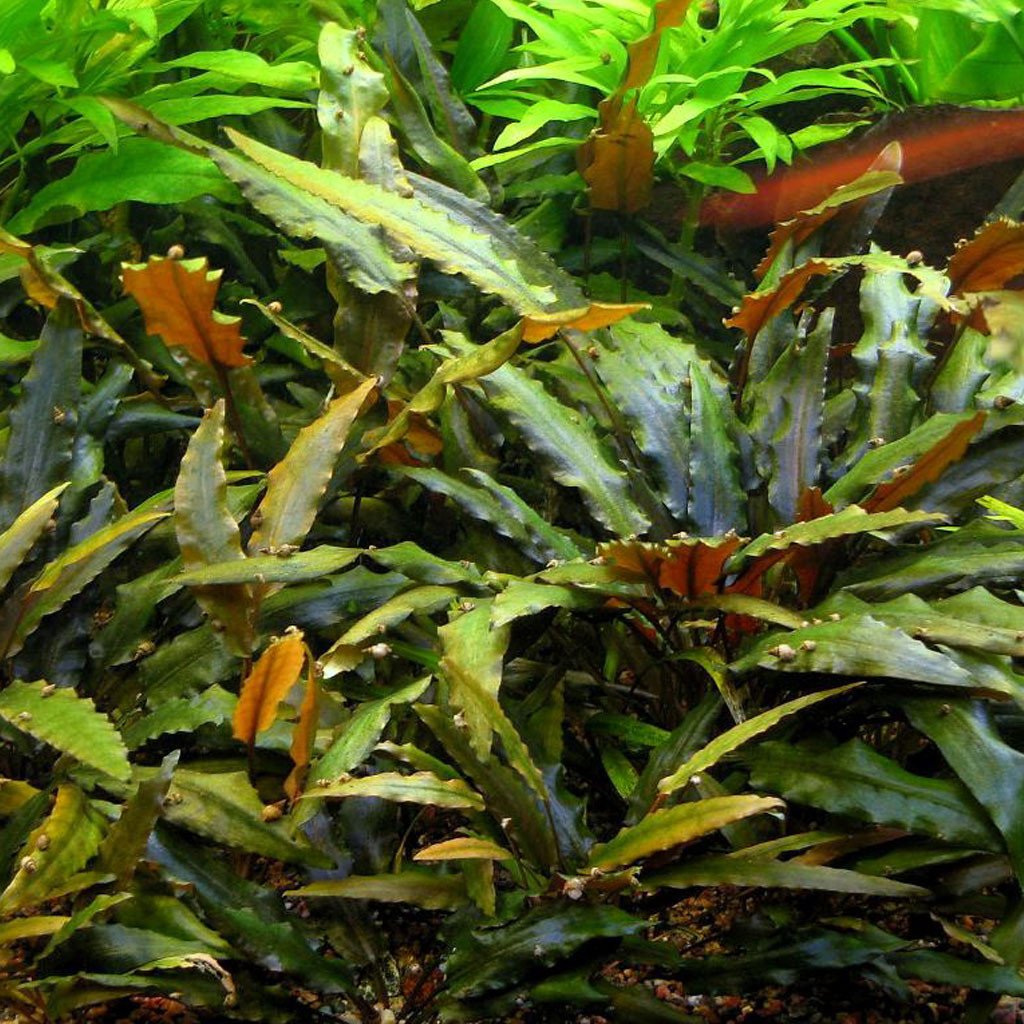
One of the biggest misunderstandings in the hobby is assuming aquarium plants should look flawless the moment they go into a tank. In reality, most aquatic plants experience an adjustment period after shipping and planting, often called “melting.” Leaves may yellow, soften, or fall off while the plant redirects energy toward new, submerged growth.
What to do instead: Remove melting leaves, keep conditions stable, and give the plant time. New growth is what matters—not the old leaves that came from a different environment.

2. Not Using Root Tabs for Root-Feeding Plants
We frequently see tanks filled with crypts, swords, vallisneria, or lotus that are slowly declining despite clean water and good lighting. The issue is usually nutrition. Many popular plants are heavy root feeders and cannot thrive on water column fertilizer alone.
What to do instead: Use quality root tabs and place them directly under root-feeding plants. This single change often turns struggling plants around within weeks.

3. Too Much Light (And Not Enough Patience)
More light does not mean faster or healthier growth. Excessive lighting—especially in newer tanks—almost always leads to algae outbreaks that smother plants and frustrate hobbyists.
What to do instead: Start with 6–8 hours of light per day and increase slowly only if plants show healthy growth and algae remains under control.

4. Ignoring Plant Placement
Planting tall background plants in the foreground, crowding slow growers, or burying rhizomes are mistakes we see constantly. Poor placement limits water flow, light access, and long-term growth.
What to do instead:
-
Keep rhizome plants (like Anubias and Java Fern) above the substrate
-
Give fast growers room to spread
-
Place tall plants toward the back and sides of the tank

5. Overreacting to Normal Changes
Many hobbyists panic at the first sign of melting, algae, or slowed growth and start changing everything at once—lighting, fertilizers, water changes, and additives. This usually makes things worse.
What to do instead: Make one change at a time and give it at least 1–2 weeks to show results. Stability is far more important than perfection.

6. Underestimating the Importance of Fertilization
Plants need consistent nutrients just like fish need food. We often see tanks where fertilization is skipped entirely or used randomly, leading to stunted growth and pale leaves.
What to do instead: Use a simple, consistent fertilization routine. A balanced liquid fertilizer paired with root tabs covers most low-tech planted tanks.

7. Assuming All Plant Problems Are “Bad Plants”
When plants struggle, many people assume they received poor-quality plants. In reality, the vast majority of plant issues are caused by lighting, nutrients, or tank maturity—not the plants themselves.
What to do instead: Focus on improving tank conditions rather than constantly replacing plants. Healthy environments grow healthy plants.

Final Thoughts
Nearly every planted tank issue we see each week comes down to expectations, patience, and fundamentals. You don’t need CO₂, complex dosing schedules, or expensive equipment to grow beautiful plants—but you do need time, consistency, and a basic understanding of what plants actually need.
If your plants are struggling, don’t get discouraged. Small adjustments made intentionally will almost always outperform drastic changes made out of frustration.
Healthy tanks are built slowly—and they’re worth the wait.