
What Water Parameters Do Aquarium Plants Actually Need
One of the biggest misconceptions about planted aquariums is that you need “perfect” water parameters for aquarium plants to survive. In reality, most aquarium plants are much more adaptable than people think.
If your plants are melting, turning yellow, or not growing well, it’s usually not because your water is completely wrong — it’s often about consistency and a few key basics.
Here’s what aquarium plants actually need to thrive.

1. Stable Water Parameters Matter More Than “Perfect” Numbers
Most beginner aquarium plants can adapt to a wide range of conditions. Sudden swings are usually more harmful than slightly imperfect water.
Plants generally prefer:
- Stable temperature
- Consistent lighting
- Reliable nutrients
- Steady water chemistry
Constantly chasing exact numbers can sometimes create more problems than leaving things alone.

2. Ideal pH for Most Aquarium Plants
Most common aquarium plants grow well in a pH between:
6.5 – 7.8
Some plants tolerate even higher or lower levels.
Popular beginner plants like:
- Amazon Swords
- Java Fern
- Anubias
- Hornwort
- Jungle Val
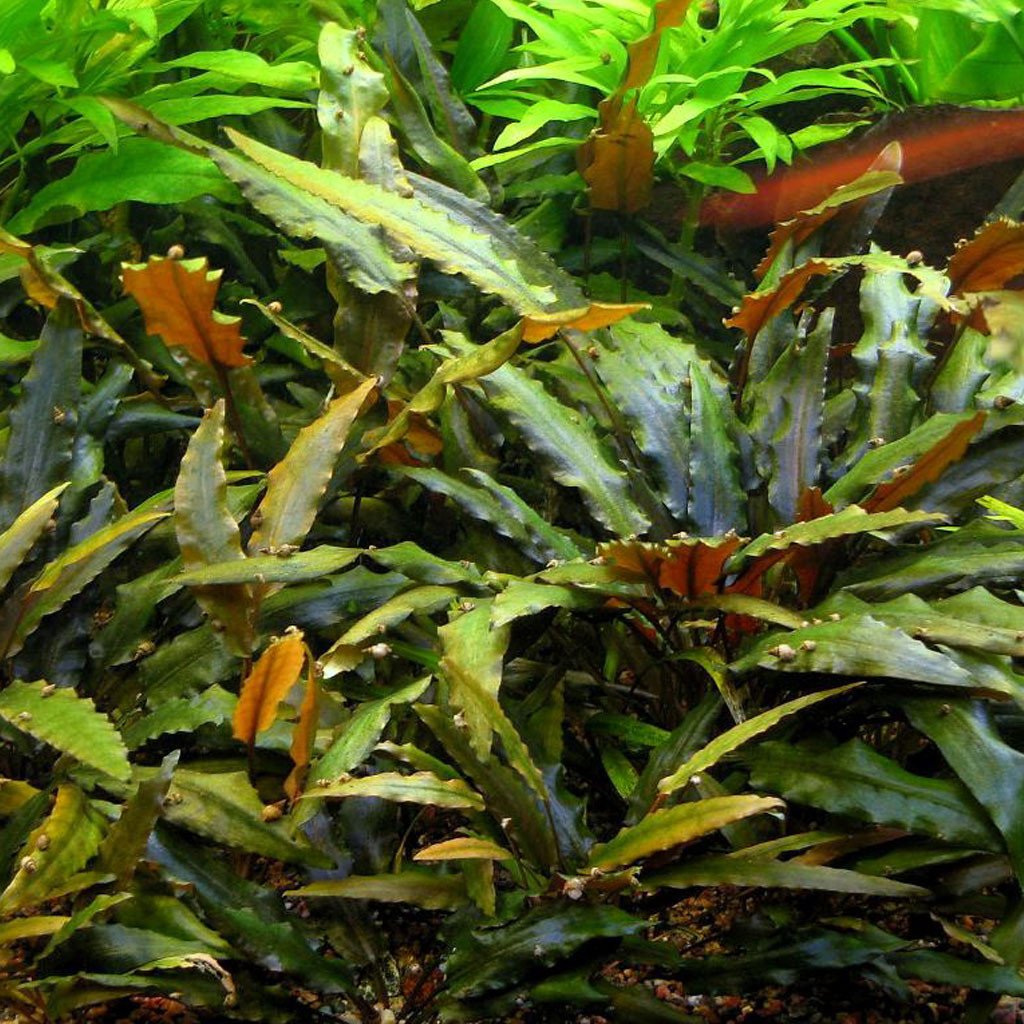
- Crypts
…all do perfectly fine in normal community tank conditions.
Even tanks with harder water around 8.0 pH can still grow healthy plants successfully.

3. Water Hardness (GH & KH)
Water hardness sounds intimidating, but many aquarium plants adapt easily.
General Hardness (GH)
GH measures minerals like calcium and magnesium.
Most aquarium plants prefer:
4–12 GH
These minerals actually help plants grow stronger.
Carbonate Hardness (KH)
KH helps stabilize pH.
Most planted tanks do well around:
3–8 KH
Very low KH can lead to unstable pH swings.

4. Temperature Requirements
Most aquarium plants thrive between:
72°F – 80°F
Tropical community tank temperatures are usually perfect for plant growth.
Some plants may struggle if:
- Water gets too cold for extended periods
- Temperatures constantly fluctuate
- Tanks overheat from excessive lighting

5. Nitrates Are Actually Important
Many new aquarium keepers panic when they see nitrates, but plants actually use nitrates as food.
A healthy planted aquarium often has:
5–20 ppm nitrates
Zero nitrates can sometimes starve plants and slow growth.
Plants help naturally absorb excess nutrients from the water, which is one reason planted tanks often look cleaner and healthier.

6. Lighting Is Often More Important Than Water Parameters
A lot of plant issues blamed on water are actually caused by lighting.
Most beginner plants only need:
- Moderate lighting
- 6–8 hours per day
- Consistent schedule
Too much light without nutrients can cause algae.
Too little light can cause:
- Yellowing leaves
- Melting
- Slow growth

7. Nutrients Matter More Than Most Beginners Realize
Aquarium plants need nutrients just like garden plants.
The two most common nutrient sources are:
- Liquid fertilizers
- Root tabs
Heavy root feeders like Amazon Swords benefit greatly from root tabs placed beneath the substrate.
Without nutrients, plants may:
- Turn yellow
- Develop holes
- Stop growing
- Melt after planting

8. Do You Need CO2?
No — not for most beginner plants.
Many popular aquarium plants grow perfectly fine without injected CO2, including:
- Amazon Swords
- Java Fern
- Anubias
- Hornwort
- Java Moss
- Jungle Val
CO2 mainly helps achieve:
- Faster growth
- More vibrant coloration
- Advanced aquascaping results
For most hobbyists, it’s optional.

Final Thoughts
The truth is that aquarium plants are often much easier than people expect.
You do not need laboratory-perfect water conditions to grow a beautiful planted aquarium.
Focus on:
- Stable parameters
- Proper lighting
- Basic nutrients
- Consistency
And most beginner-friendly aquarium plants will adapt surprisingly well.
If you’re just getting started, hardy plants like Amazon Swords, Anubias, Hornwort, and Java Fern are some of the easiest options to grow successfully.