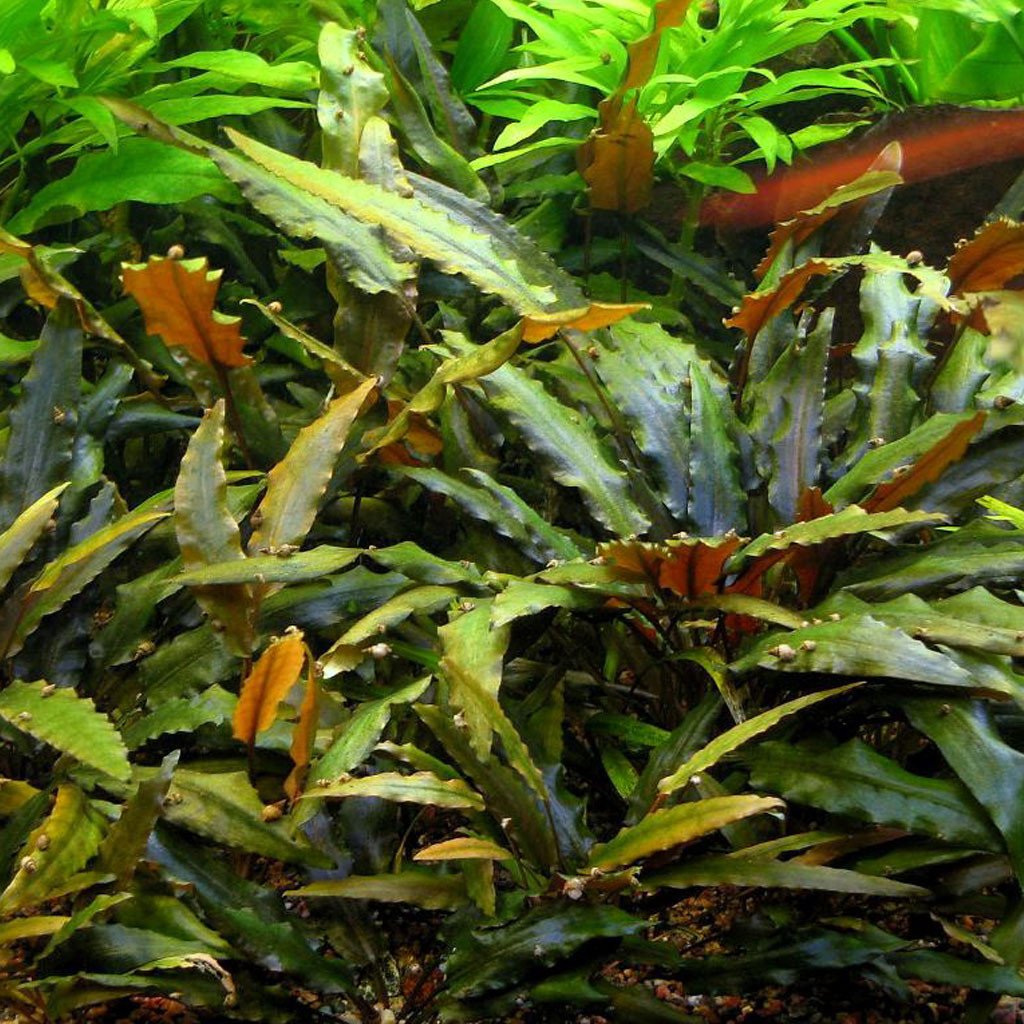


Why Is My Java Fern Dying?
Java Fern is one of the most popular aquarium plants for beginners—and for good reason. It's hardy, adaptable, and can thrive in a wide range of aquarium conditions. However, even this tough plant can sometimes struggle, leaving hobbyists wondering why their once-healthy Java Fern is turning brown, developing black spots, or losing leaves.
If your Java Fern appears to be dying, don't panic. In most cases, the problem is easy to identify and fix.

1. The Rhizome Is Buried
The most common reason Java Fern dies is improper planting.
Unlike many aquarium plants, Java Fern has a rhizome—a thick horizontal stem from which roots and leaves grow. If this rhizome is buried under substrate, it will begin to rot.
Signs:
-
Yellowing leaves
-
Black or mushy rhizome
-
Leaves falling off the plant
Solution:
Remove the plant from the substrate and attach it to driftwood, rocks, or decorations using fishing line, thread, or aquarium-safe glue. The roots can be tucked into crevices, but the rhizome should remain exposed.

2. Your Java Fern Is Melting After Being Added
Many aquarium plants experience a period of adjustment when introduced to a new aquarium.
Most Java Ferns sold online are grown emersed (above water) before being transitioned to submerged conditions in your aquarium. During this transition, older leaves may die off while the plant produces new underwater growth.
Signs:
-
Older leaves turning brown
-
Transparent patches appearing
-
New leaves emerging from the center
Solution:
Trim away heavily damaged leaves and give the plant time to adjust. New growth is usually a sign that the plant is healthy and adapting.

3. Nutrient Deficiency
Although Java Fern is considered a low-maintenance plant, it still requires nutrients to thrive.
Unlike root-feeding plants such as Amazon Swords, Java Fern primarily absorbs nutrients directly from the water column.
Signs:
-
Yellow leaves
-
Slow growth
-
Small or deformed new leaves
Solution:
Use a quality liquid fertilizer regularly. Consistent fertilization can help restore vibrant green growth and improve overall plant health.

4. Too Much Light
Many aquarists assume more light equals faster growth. For Java Fern, that's often not true.
Java Fern naturally grows in shaded streams and rivers. Excessive lighting can stress the plant and encourage algae growth on its leaves.
Signs:
-
Black algae covering leaves
-
Brown patches
-
Leaves deteriorating beneath algae growth
Solution:
Reduce your photoperiod to 6–8 hours per day and consider lowering light intensity if possible.

5. Not Enough Light
While Java Fern tolerates low light, complete lack of lighting can cause problems.
Signs:
-
Very slow growth
-
Pale green leaves
-
Weak new shoots
Solution:
Provide moderate lighting for at least 6–8 hours daily. Most standard aquarium LEDs are sufficient for healthy Java Fern growth.

6. Black Spots Are Appearing
Many hobbyists become concerned when they notice black dots on their Java Fern leaves.
In many cases, these spots are actually reproductive structures called spores. Java Fern reproduces by producing plantlets directly on its leaves.
Signs:
-
Small black bumps on mature leaves
-
Tiny baby plants forming
Solution:
No action needed. This is a natural part of the plant's life cycle and often indicates a healthy, mature specimen.
However, if leaves are simultaneously deteriorating and covered in black algae, algae may be the real culprit.

7. Water Parameters Are Extreme
Java Fern is adaptable but still has limits.
Ideal Conditions:
-
Temperature: 68–82°F
-
pH: 6.0–8.0
-
Moderate water flow
-
Stable parameters
Signs of Stress:
-
Sudden leaf loss
-
Browning leaves
-
Stunted growth
Solution:
Test your water regularly and avoid sudden changes in temperature, pH, or hardness.

8. Algae Is Smothering the Plant
Because Java Fern grows relatively slowly, algae can sometimes outcompete it.
Common Types:
-
Black Beard Algae (BBA)
-
Hair Algae
-
Brown Diatom Algae
Solution:
Reduce excess lighting, avoid overfeeding fish, maintain regular water changes, and manually remove heavily infested leaves.
Adding algae-eating species such as Amano shrimp may also help control outbreaks.

How to Revive a Dying Java Fern
If your Java Fern looks unhealthy, follow these steps:
-
Ensure the rhizome is not buried.
-
Remove dead or decaying leaves.
-
Dose a quality liquid fertilizer.
-
Maintain stable water parameters.
-
Reduce excessive lighting.
-
Monitor for algae growth.
-
Be patient while the plant adjusts.
Java Fern is one of the most resilient aquarium plants available. Even plants that appear to be struggling can often make a full recovery once the underlying issue is corrected.
Final Thoughts
Java Fern is famous for being beginner-friendly, but even hardy plants can show signs of stress when conditions aren't ideal. The good news is that most Java Fern problems stem from a few common causes: buried rhizomes, nutrient deficiencies, algae, or acclimation stress.
With proper care and a little patience, your Java Fern can recover and become one of the most beautiful and reliable plants in your aquarium.
Looking to add healthy, aquarium-grown Java Fern to your tank? Browse our selection of premium Java Fern varieties and other easy-care live aquarium plants at Marcus Fish Tanks.