
Why Most Aquarium Plants Die Within 30 Days
If you’ve ever bought aquarium plants only to watch them turn yellow, melt, or completely die within a month — you’re not alone.
The good news? Most aquarium plants don’t die because planted tanks are “too hard.” They usually fail because of a few very common beginner mistakes.

1. Plant Melt Is Normal
Many aquarium plants are grown above water before being sold. When placed underwater, they often lose their old leaves while adjusting to submerged growth.
This is called “melting,” and it’s especially common with plants like:
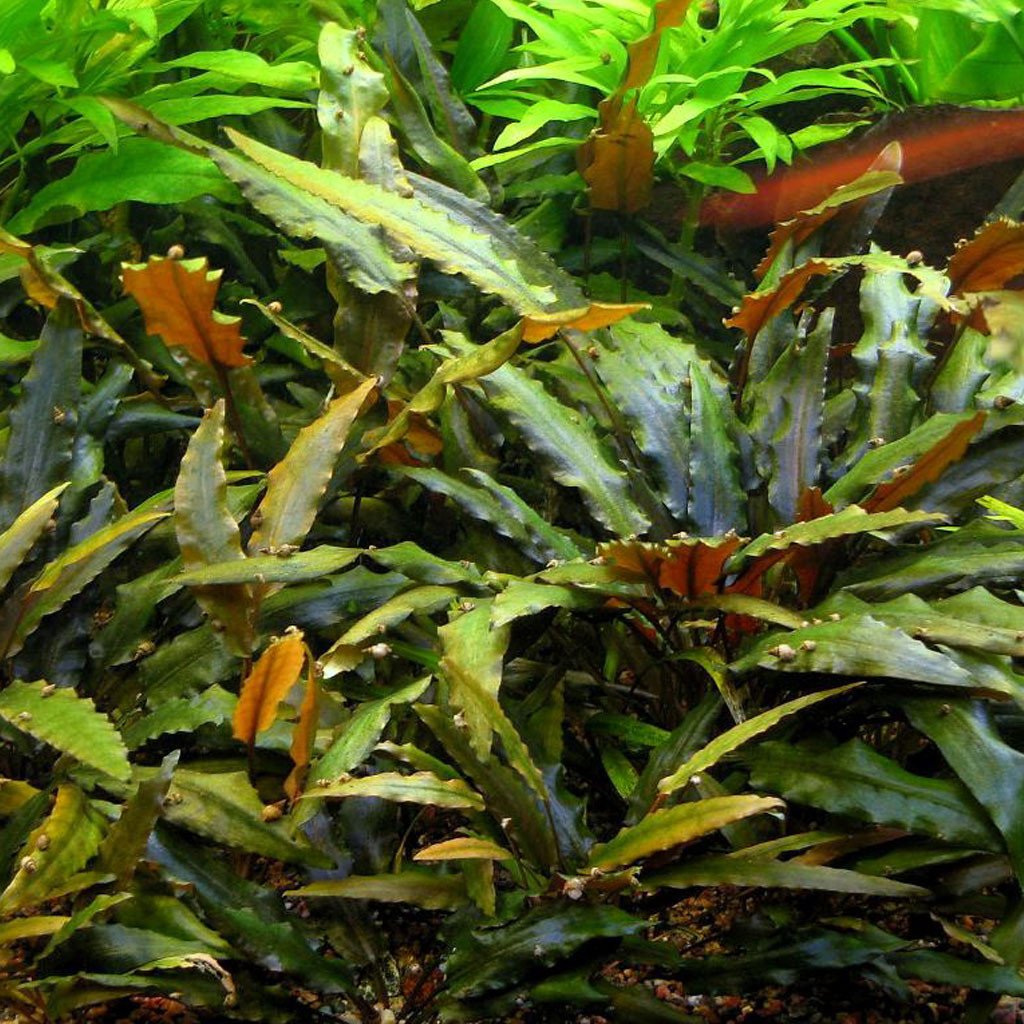
- Cryptocoryne Wendtii Red
- Amazon Sword
Don’t throw the plant away too early — new growth often appears after a few weeks.

2. Not Enough Light
Weak aquarium lights are one of the biggest reasons plants fail.
Without enough light, plants slowly starve, leading to:
- Yellow leaves
- Slow growth
- Dying stems
Most planted tanks need around 6–8 hours of consistent lighting daily.

3. No Nutrients
Plants need nutrients just like fish need food.
Root-feeding plants benefit from root tabs, while water-column feeders do better with liquid fertilizer.
Plants like:
- Hornwort
- Java Moss
…usually grow much better with regular fertilization.

4. Incorrect Planting
Some plants should never be buried.
For example:
- Java Fern
- Anubias Barteri
…have rhizomes that can rot if buried in substrate. These plants should be attached to driftwood or rocks instead.

5. Difficult Plants For Beginners
A lot of beginners accidentally buy advanced plants that require CO2, strong lighting, and perfect conditions.
Starting with hardy plants is usually much easier and leads to better success.

Final Thoughts
Most aquarium plants die within 30 days because of:
- Low light
- Missing nutrients
- Improper planting
- Adjustment stress
Once you fix those issues, growing healthy aquarium plants becomes much easier — even for beginners.