

Why Some Tanks Look “Full” With Fewer Plants
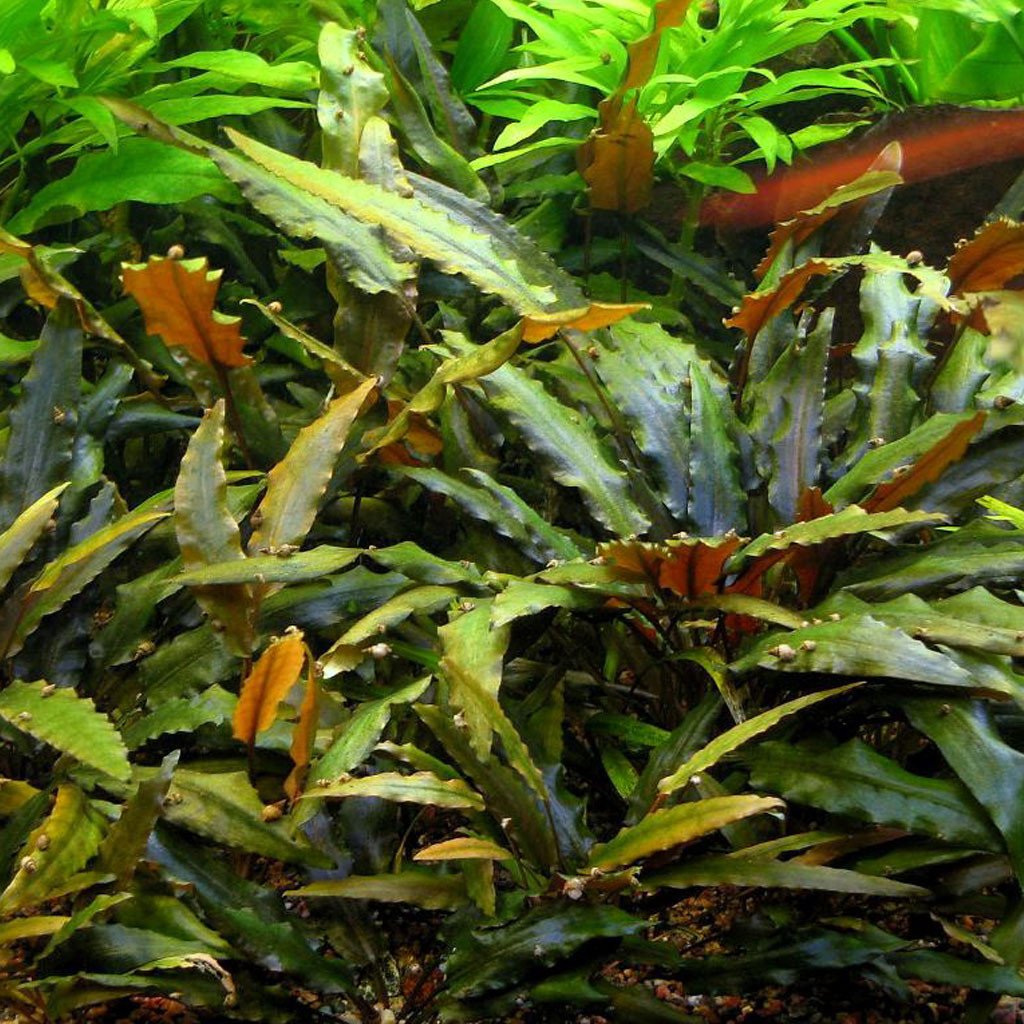
A tank’s sense of fullness is driven by composition, not quantity. Some aquariums achieve a lush appearance with relatively few plants by using visual principles rather than sheer density.

Leaf size plays a major role. Broad-leaf plants occupy more visual space and create focal points that anchor the layout. A single large-leaf plant can command attention and make surrounding areas feel intentionally filled.

Layering is another critical element. Tanks that feel full usually have clear foreground, midground, and background separation. Even if each layer contains only a few plants, overlapping heights and depths create visual complexity that reads as abundance.

Negative space enhances this effect. Empty areas around plants allow their shape and structure to stand out. When every inch of a tank is filled, individual plants lose definition, making the tank feel cluttered rather than lush.

Texture and contrast also influence perceived density. Mixing fine-leaf and broad-leaf plants prevents visual monotony. Subtle differences in leaf shape and orientation help the eye distinguish layers and depth.

A full-looking tank is the result of deliberate placement and restraint. Fewer plants arranged thoughtfully often outperform densely packed layouts in both aesthetics and long-term health.