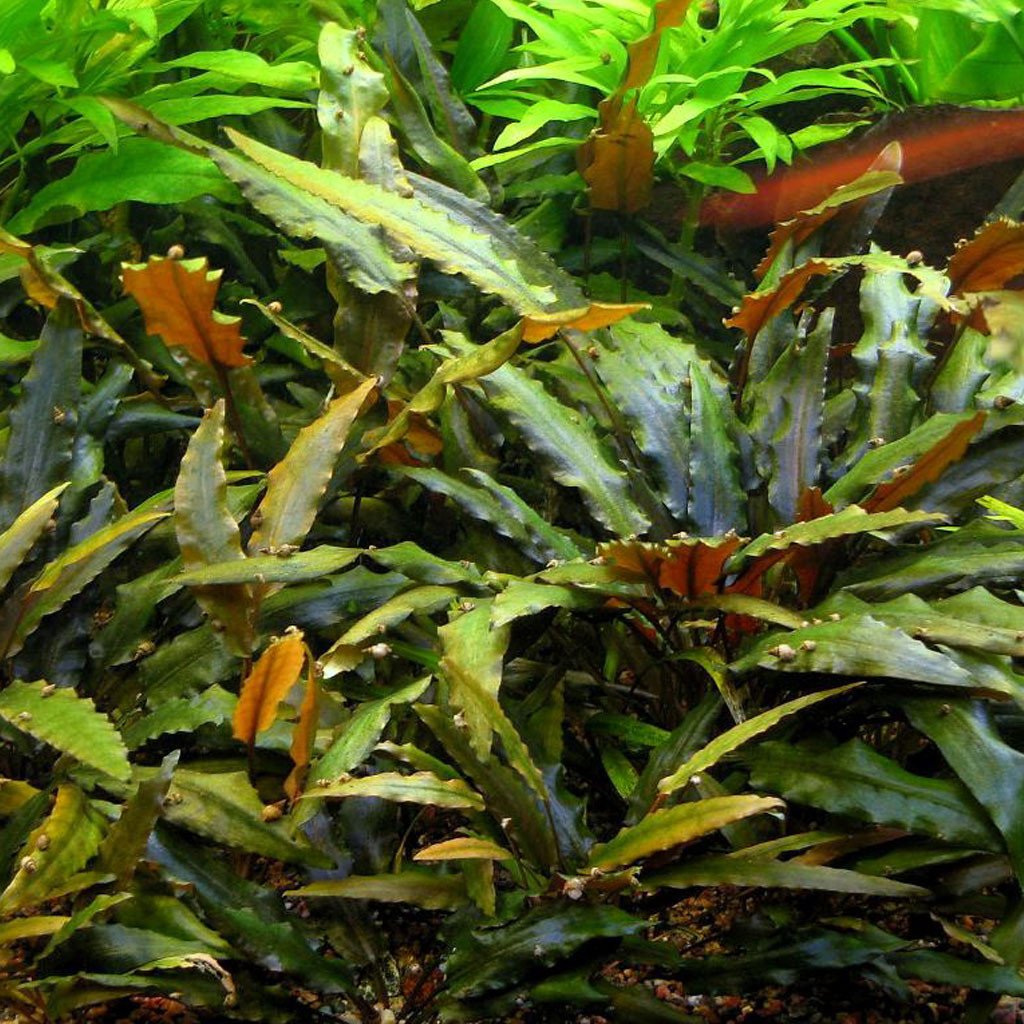


Winter Aquarium Tips: Keep Your Plants Alive During the Cold Months
Winter is one of the most challenging times of the year for aquarium plants—both during shipping and inside your tank. Lower room temperatures, shorter daylight hours, and sudden drops during water changes can all cause plants to melt, slow down, or stop growing altogether.
The good news? With a few simple adjustments, you can keep your plants healthy, vibrant, and growing all winter long.
Here’s everything you need to know to protect your aquarium plants when the temperatures start to drop.

1. Keep Your Tank Temperature Stable
Plants are far more sensitive to temperature swings than fish. Sudden drops can shock the plant and cause melting.
During winter:
-
Avoid letting your tank dip below 72°F for tropical plants
-
Make sure your heater is the correct wattage for your tank size
-
Check for cold drafts from windows or doors
-
Keep your tank lid closed to retain warmth
Even a temporary dip of 3–4 degrees can cause noticeable stress.

2. Warm Your Water Before Water Changes
This is one of the most common winter mistakes.
If you add cold tap water directly into the tank, the temperature can drop fast enough to shock your plants—even if your heater eventually catches up.
During winter water changes:
-
Match new water as close as possible to tank temperature
-
Add water slowly to minimize shock
-
Avoid large water changes if the room is cold
Your plants will stay much happier when temperatures remain consistent.

3. Increase Your Lighting Hours
Winter naturally shortens daylight hours, which can slow plant growth if your tank isn’t getting enough light.
To compensate:
-
Increase light duration by 1–2 hours per day
-
Keep lights between 8–10 hours total
-
Use a timer to keep the schedule consistent
More light = more energy for plant recovery and new growth.

4. Don't Skip Fertilizing
Plants still need nutrients in the winter, but many hobbyists forget to dose regularly during the busy holiday season.
Continue:
-
Liquid fertilizer once or twice per week
-
Root tabs for heavy feeders like Swords, Lotus, and Crypts
Consistent nutrients help plants replace melted leaves and build new ones stronger than before.

5. Boost Circulation — Cold Water Moves Slower
Cold water becomes denser and slows circulation slightly, especially in tanks with weaker filters.
Improving flow helps:
-
Move nutrients throughout the tank
-
Reduce dead spots
-
Improve CO₂ distribution (if you use CO₂)
A simple adjustment to your filter output or adding a small circulation pump can make a big difference in winter growth.

6. Be Gentle With New Plants
Plants shipped or purchased during the winter are often coming out of colder environments. Even with heat packs, temperature swings can cause extra melt.
To help new plants settle:
-
Remove any melted leaves right away
-
Avoid burying the crown of Amazon Swords or Crypts
-
Give them bright light for the first week
-
Use root tabs under root-feeders to speed recovery
Most winter melt is temporary — don’t throw the plant away unless the center crown is soft or mushy.

7. Insulate Your Tank if Your Room Is Cold
If your home gets especially cold at night, these tricks help stabilize temperature:
-
Place a towel or foam board behind the tank
-
Move the tank away from windows
-
Use a tank lid to trap heat
-
Raise the room temperature a few degrees
Even small improvements reduce plant stress significantly.

8. Acclimate Plants Carefully When They Arrive
Winter shipping means plants experience bigger temperature swings. To reduce shock:
-
Bring the package indoors immediately
-
Open the bag and let the plant warm up slowly
-
Rinse off any condensation or gel
-
Plant gently and avoid trimming new plants right away
Giving them a soft landing helps them bounce back much faster.
Keep Your Plants Thriving All Winter Long
Winter can be tough on aquarium plants, but with stable temperatures, matched water changes, proper lighting, and consistent fertilizing, your tank can stay lush and vibrant even in the coldest months.